Quick Answer
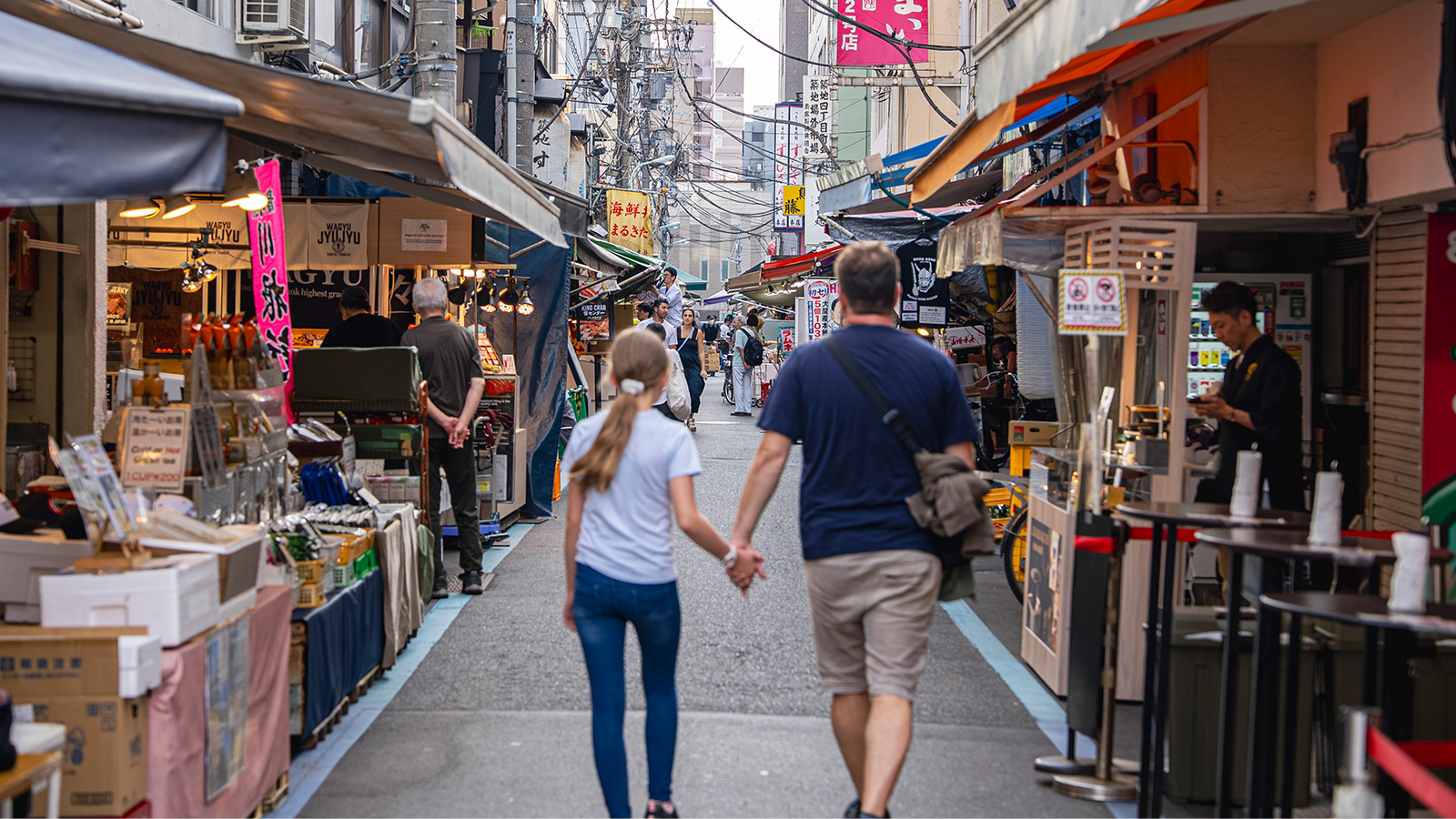
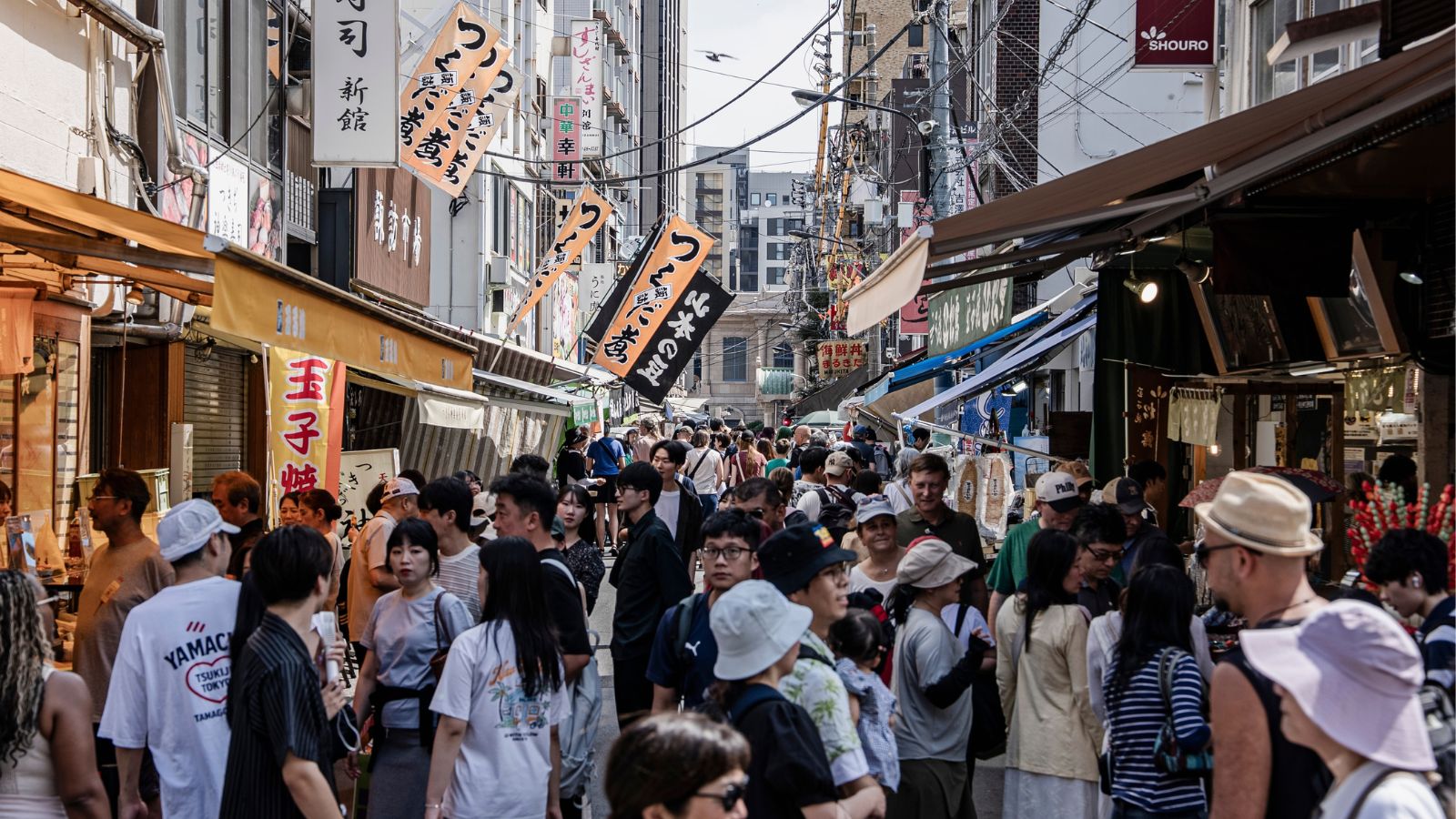
Tsukiji Outer Market is a food and shopping neighbourhood near Ginza in central Tokyo, with more than 400 businesses.
The wholesale market moved to Toyosu in 2018, but the Outer Market stayed in Tsukiji. Come for sushi, seafood, specialist ingredients and Japanese kitchen tools.
For a first visit, plan a morning from 9am onwards, check the market calendar and leave time to explore beyond the food counters.
Welcome to Tsukiji Outer Market
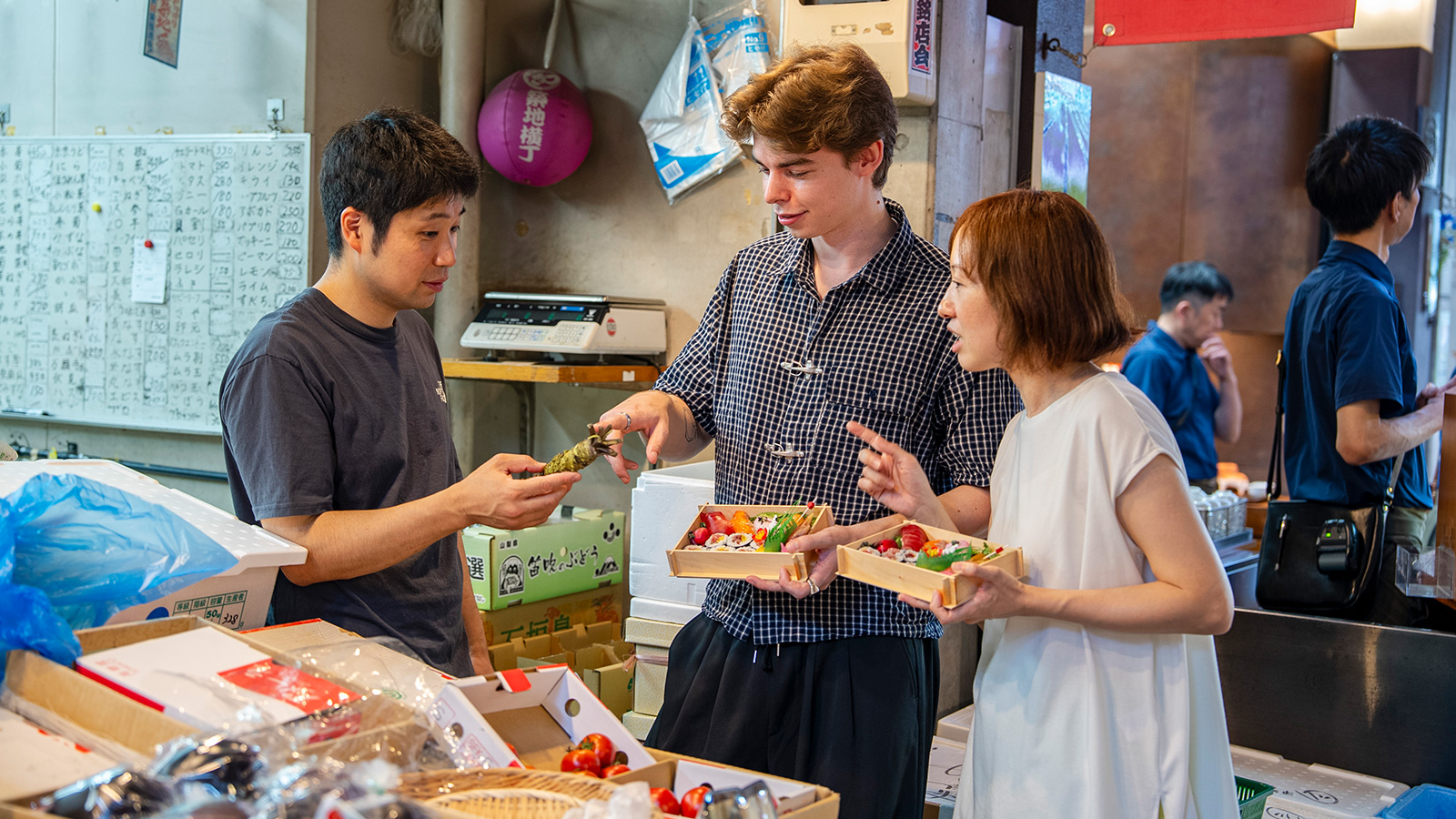
You may arrive thinking about sushi. Before long, a knife shop, a display of dried ingredients or a piece of fresh wasabi may catch your attention.
That is part of the pleasure of Tsukiji Market. Food is everywhere, along with the tools and knowledge behind it.
The neighbourhood grew alongside the former Central Wholesale Market, serving restaurants and other food businesses. Today, professional buyers, local shoppers and visitors share its streets.
You can come for a meal, browse for something to use in your own kitchen or spend a morning learning more about Japanese food.
Did Tsukiji Market move to Toyosu?
The Central Wholesale Market moved to Toyosu in 2018. Tsukiji Outer Market—the surrounding neighbourhood of independent shops and restaurants—remained.
The distinction matters when planning your visit.
Toyosu is where the tuna auction takes place. Tsukiji Outer Market is where you can explore food shops, eat sushi, browse kitchenware and discover the neighbourhood’s food culture.
The move did not end Tsukiji’s role in feeding Tokyo. Its shops still supply chefs and restaurants while welcoming people who are simply curious about good food.
What makes Tsukiji Outer Market special?
The range goes well beyond seafood.
There are shops selling vegetables, fruit, dried foods, seaweed, tea and seasonings. Others specialise in knives, cooking utensils, tableware and packaging.
Together, they show how much goes into preparing and serving a Japanese meal.
When shopkeepers have time, asking about a product can add another layer to your visit. An unfamiliar ingredient becomes easier to understand when you learn how to use it.
Our family’s business has been part of Tsukiji for over 100 years. In our daily life here, we see both sides of the market: supplies going out to businesses and visitors discovering something new. Both are part of what keeps the neighbourhood lively.
What can you eat at Tsukiji Market?
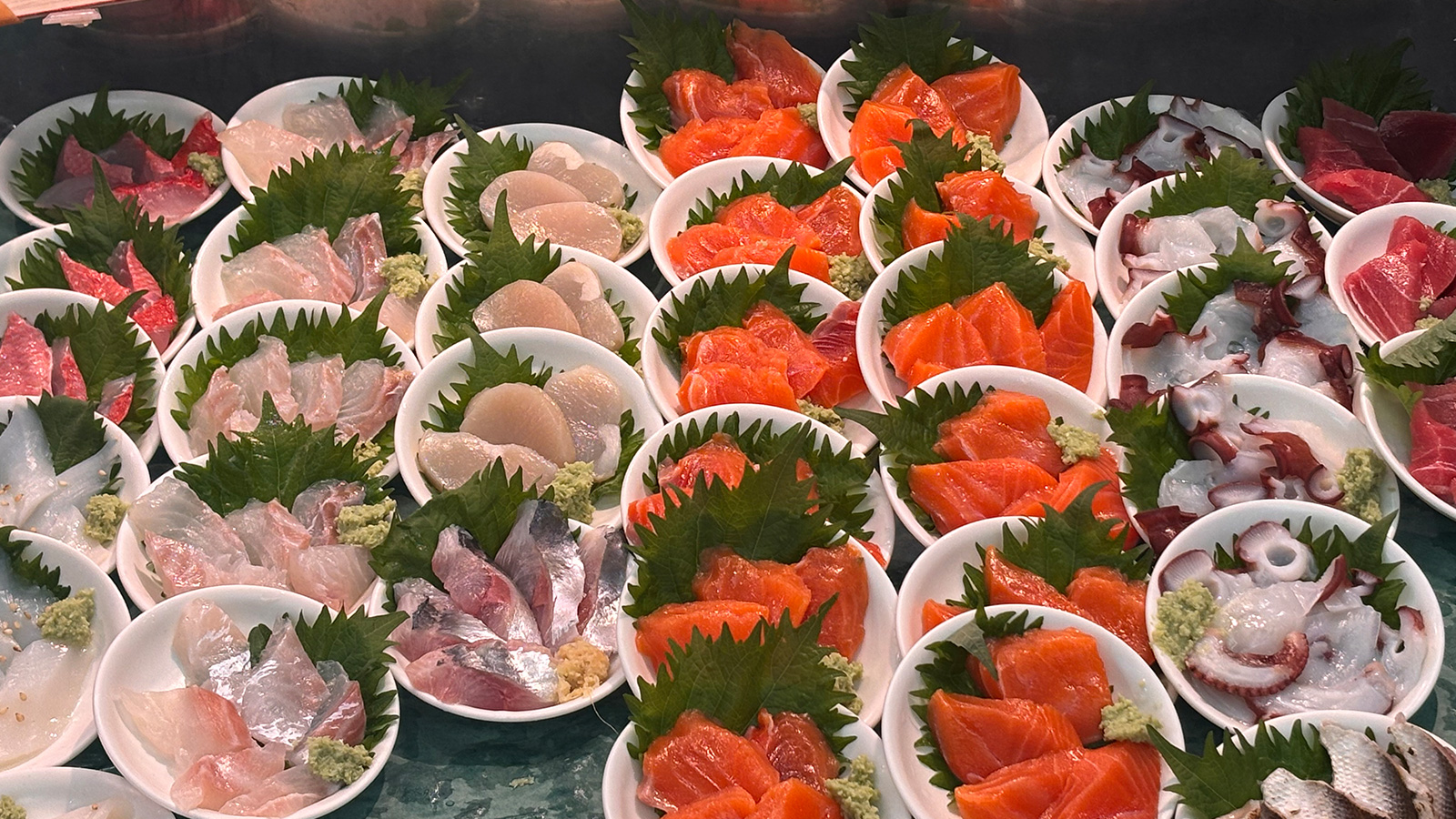
Sushi, sashimi and seafood bowls are a natural place to begin. But leave room for other flavours: tamagoyaki, wagyu skewers, fresh fruit and sweets.
You can sit down for a meal or try smaller portions from several shops. Enjoy each stop without eating as you walk through the lanes.
For ideas on what to choose, including a local way to enjoy sashimi from Tsukiji Uogashi, read our guide to what to eat at Tsukiji Market.
What can you shop for beyond food?
Take a little time to browse the specialist shops.
A Japanese knife, a small piece of tableware or an ingredient you have never cooked with can become a lasting reminder of the visit.
Think about how you would use something at home, and ask the shop for advice when staff are available. That conversation is part of the appeal of buying from specialists.
Tsukiji Uogashi, the fresh-food market facility within the neighbourhood, is another place to explore. It serves professional buyers as well as the public and offers a closer look at seafood and produce.
When should you visit?
For a first visit, we recommend arriving around 9am on a market business day. Before 9am, professional buyers take priority.
Each shop sets its own hours. Many close around 2pm, while some restaurants and other businesses stay open later.
Check the official market calendar before choosing your date. It shows wholesale market business days; individual Outer Market shops may follow different schedules.
Our Tsukiji Market hours guide explains opening times, closure days and when to come for shopping or a meal.
How do you get to Tsukiji Outer Market?
The market is near Ginza in central Tokyo.
Tsukiji Station on the Tokyo Metro Hibiya Line and Tsukijishijo Station on the Toei Oedo Line are convenient stations for visiting the area. Use the official access map to plan your approach.
Once you arrive, Plat Tsukiji, the market’s information centre, can help with maps and visitor information.
Bring some Japanese yen as well as your card, since payment options vary by shop. Comfortable shoes and a small bag will make the narrow lanes easier to enjoy.
Explore with a local guide—or make something yourself
Looking at ingredients can leave you wanting to know more about them.
Our guided market walk introduces recommended shops and the food culture behind what you see. It also includes a visit inside a traditional Japanese house connected to our family business.
Read Inside Tsukiji Market: A One-Hour Walk with Local Insiders to see what the walk involves.
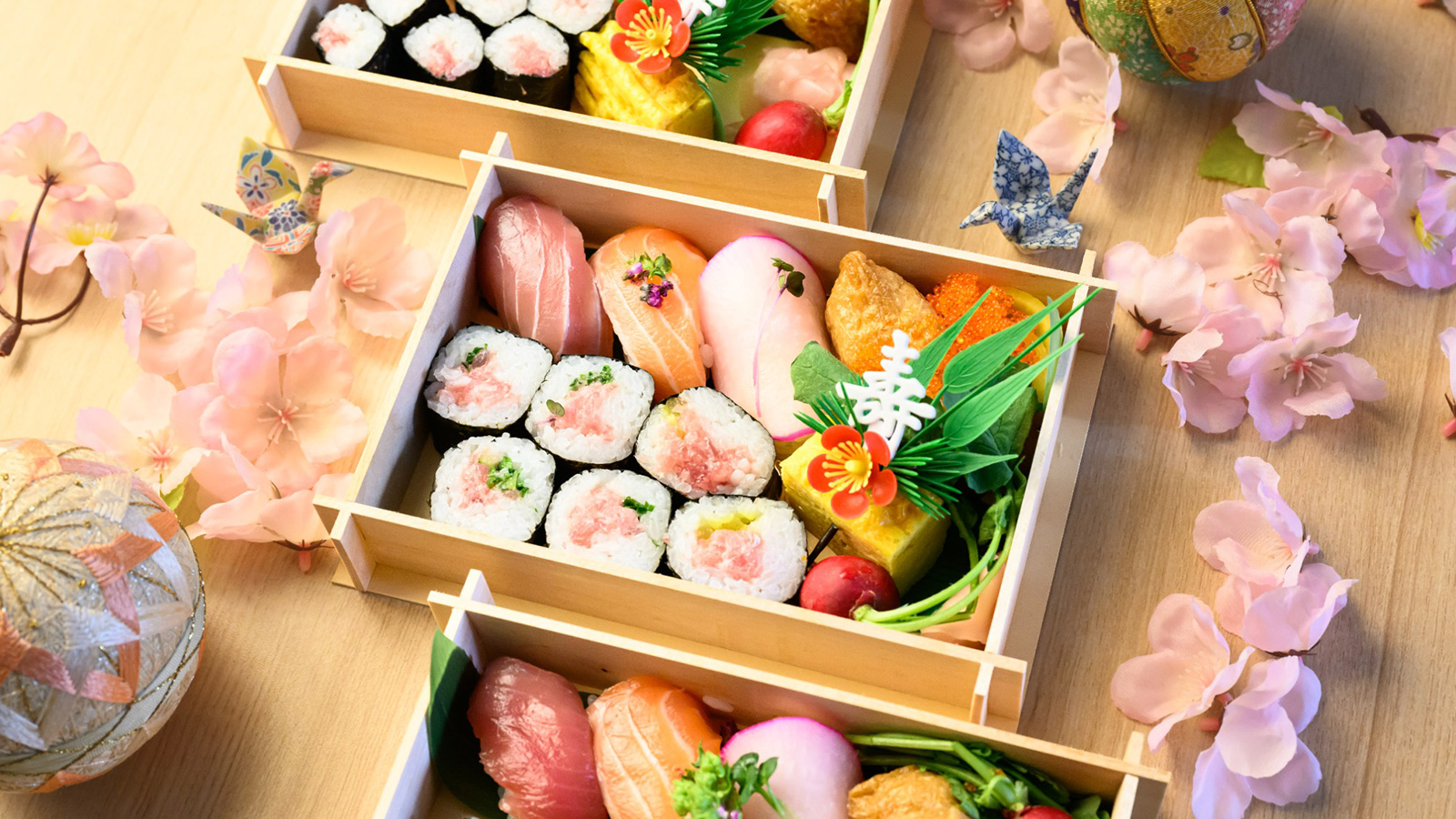
If you would like to work with the ingredients yourself, our sushi-making class lets you shape sushi and arrange a beautiful bento using ingredients and tools connected to the market.
Discover the experience in Make a Beautiful Sushi Bento at Tsukiji Market, Tokyo. For schedules and booking details, visit our Tsukiji Market tour or sushi-making class in Tokyo pages.
Enjoy a working market with care
Tsukiji welcomes visitors while continuing to serve the people who work and shop here.
A few small courtesies make a difference:
- Give buyers and people moving goods room to pass.
- Eat inside shops or in designated eating spaces.
- Keep entrances clear and avoid gathering in large groups.
- Ask before photographing shops, and follow any restrictions.
- Let staff handle food on display.
- Leave large luggage elsewhere, and smoke only in designated areas.
Take your time, notice what the shops are selling and leave space for the day’s work. The chance to share in that everyday life is part of visiting Tsukiji Market.
Key Takeaways
- Tsukiji Outer Market remains in Tsukiji; the wholesale market moved to Toyosu in 2018.
- More than 400 businesses offer food, ingredients, kitchen tools and other goods.
- Plan a first visit from around 9am and check individual shop schedules.
- Explore beyond seafood to discover more of Japanese food culture.
- Use our detailed guides to plan food stops, visiting times and local experiences.
- Respect the market’s working rhythm as you explore.
Sources
- Tsukiji Outer Market: The Future of Tsukiji — Japanese
- Tsukiji Outer Market: Official Introduction
- Tsukiji Outer Market: Official Calendar
- Tsukiji Outer Market: Shopping Guidance
- Tsukiji Outer Market: Visitor Guide
- Tsukiji Outer Market: Access Map
- Local observations and experience information provided by Masamitsu and the SMILING TOKYO team.
Last Reviewed:September 30, 2026
About the Author
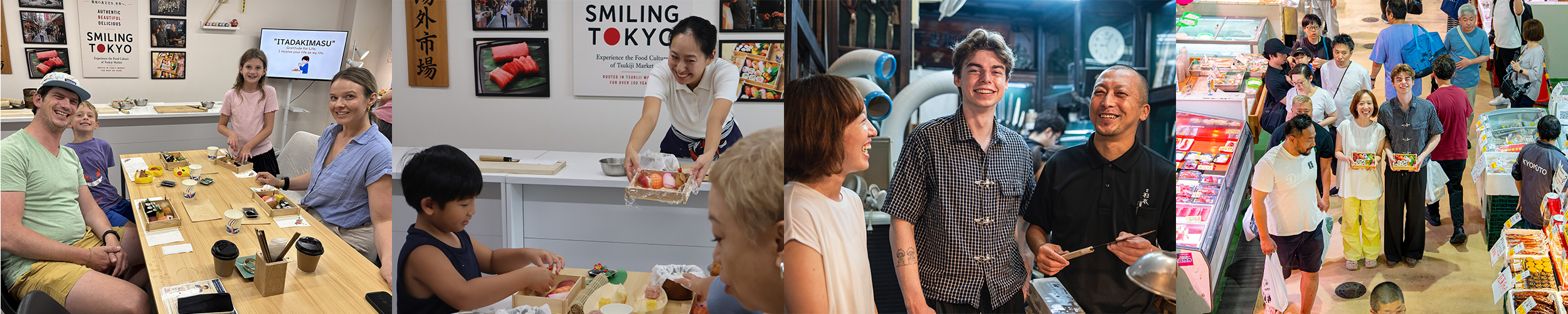
Masamitsu is a member of the SMILING TOKYO team and has worked in the travel industry since 2008.
Through his wife’s fourth-generation Tsukiji Market family, he works closely with the local community.
His articles combine everyday observations, local knowledge, and official sources.
Experience the Real Tsukiji
At SMILING TOKYO, we create authentic cultural experiences using local ingredients, traditional kitchen tools, and the knowledge passed down through the Tsukiji community.
Our hands-on programs are designed for families, food lovers, school groups, corporate groups, and travel partners who want to experience the real Tsukiji Market beyond sightseeing.
Choose the option that’s right for you:
🍣 Explore Our Experiences
Discover our Tsukiji Market tours and hands-on cultural experiences.
🤝 Travel Partner Information
Information for travel agencies, FIT, private groups, schools, and corporate events.