Quick Answer
Start with sushi or sashimi, then leave room for wagyu beef skewers, tamagoyaki and something sweet. Tsukiji Outer Market has plenty to enjoy beyond seafood, including fried chicken, fresh fruit, matcha ice cream and matcha lattes. Arrive from 9am onwards and try a few smaller portions along the way.
Come hungry, and leave room for a few surprises
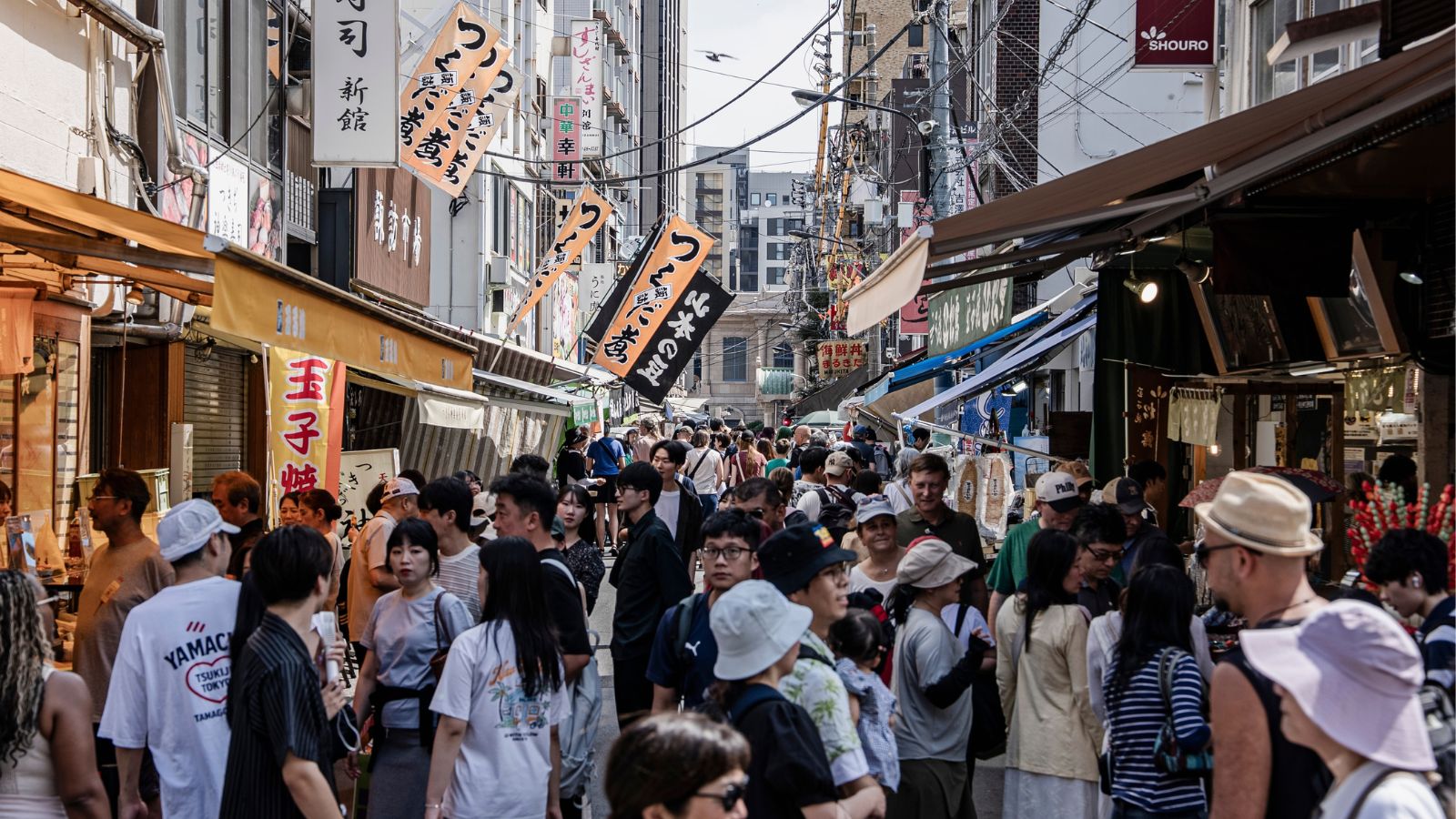
A wagyu skewer cooks in front of you. Nearby, freshly cut tuna is ready to eat. A little further along, strawberry daifuku catches your eye. Choosing what to eat is part of the pleasure of visiting Tsukiji Market.
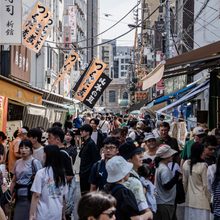
The official market guide lists around 460 businesses, covering everything from fresh ingredients and restaurants to kitchen tools. You can sit down for a meal or build your morning around small food stops. I am in Tsukiji every day, and food brings people here from all over the world. For many travellers, eating sushi in Tsukiji is a dream. For Japanese visitors, too, it remains a special experience.
What should you try first?
Sushi, sashimi and seafood bowls
If eating sushi in Tsukiji is on your Tokyo wish list, make time to sit down and enjoy it.
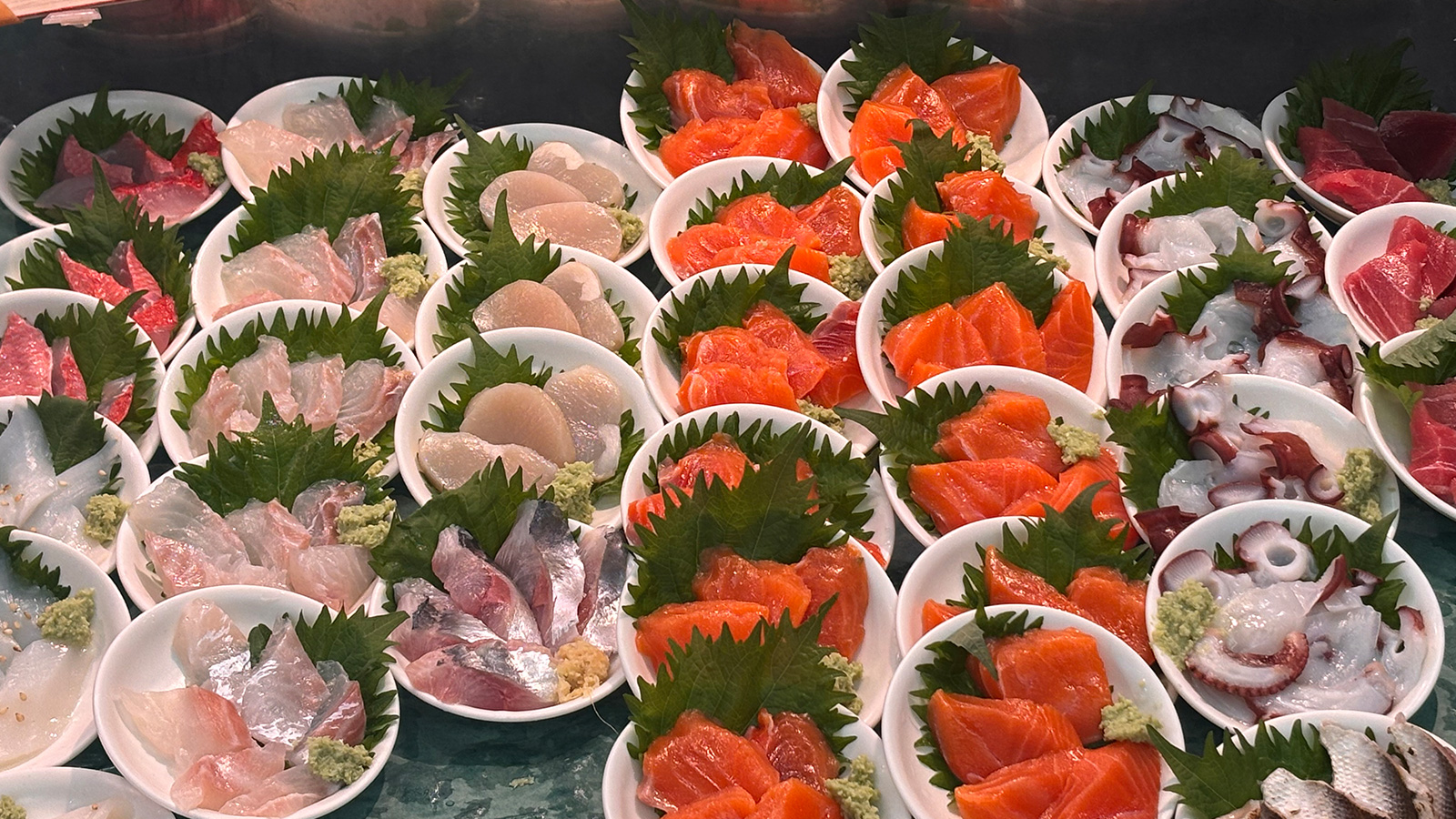
Choose sushi for fish paired with seasoned rice, or sashimi if you would like the fish on its own. A seafood bowl, called kaisendon, brings several toppings together over rice.
One of my favourite ways to enjoy Tsukiji Market is to buy sashimi at Tsukiji Uogashi, the fresh-food market, especially freshly cut tuna. Check the portion and price before ordering, then take it to the eating space on the third floor of the Odawarabashi Building.
It is a simple way to enjoy your own choice of seafood right in the market. Remember to ask the shop where you buy your sashimi for chopsticks and soy sauce! If you are also planning a restaurant meal, keep your first few snacks small. It is easy to arrive at lunchtime with very little appetite left.
Wagyu beef skewers
Watching beef cook in front of you is part of the appeal. A wagyu skewer is a good choice when you want something hot and savoury between seafood stops. It also gives people who do not enjoy raw fish something to look forward to. Check the displayed price and serving size before you order.
Tamagoyaki
Tsukiji’s rolled omelette, tamagoyaki, deserves a place on your list. Soft layers of egg make it an easy snack, and its sweetness and seasoning vary from shop to shop. It has a close connection to the market’s sushi trade: local omelette shops grew by supplying sushi restaurants. Today, visitors can enjoy a small takeaway portion. Tamagoyaki is one of Tsukiji Market’s signature foods.
Karaage and fried skewers
For a crisp, savoury bite, look for karaage, Japanese fried chicken, or kushiage, fried skewers.
These are useful options when someone in your group prefers cooked food. Check what is inside each skewer rather than choosing by appearance alone. You may also spot tako senbei, octopus crackers, if you fancy a crunchy seafood snack.
Strawberry daifuku and fresh fruit
Strawberry daifuku combines fruit with soft, chewy mochi. It is an appealing sweet stop after sushi or grilled beef. Fresh fruit is another option when you want something lighter. Look at what is available that day: the market’s selection changes with the season and deliveries.
Matcha ice cream and matcha lattes
Matcha ice cream or a matcha latte makes a lovely finish to your food stops. The gentle bitterness of matcha balances the sweetness. If you have already eaten well, this may be all the dessert you need. Or save your matcha stop until after browsing the ingredient and kitchenware shops.
Should you sit down for a meal or try smaller bites?
Both are good ways to enjoy Tsukiji. The choice depends on what you most want to eat.
For sushi or a seafood bowl, choose a restaurant and make that your main meal. Many places are small, so follow the shop’s seating and ordering arrangements.
For more variety, visit a few shops selling smaller portions. A little egg, a beef skewer and something sweet can each offer a different taste of the market. Some places also serve beer or sake. My suggestion is to choose the food you most want to try first, then leave room for discoveries along the way. You do not need to turn breakfast into a checklist.
What if someone does not eat seafood?
There are plenty of other things to look for: beef skewers, fried chicken, tamagoyaki, fruit and ice cream.
For children or anyone with a smaller appetite, a few well-chosen stops may be more enjoyable than a large meal. Vegetarian and vegan visitors should check ingredients before ordering. An egg dish or dessert is not automatically suitable for every diet. Plain fresh fruit is a straightforward place to start.
Look beyond the ready-to-eat food
Between meals, take a look at the ingredients themselves.
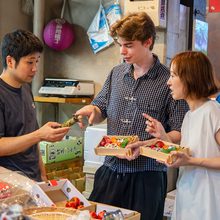
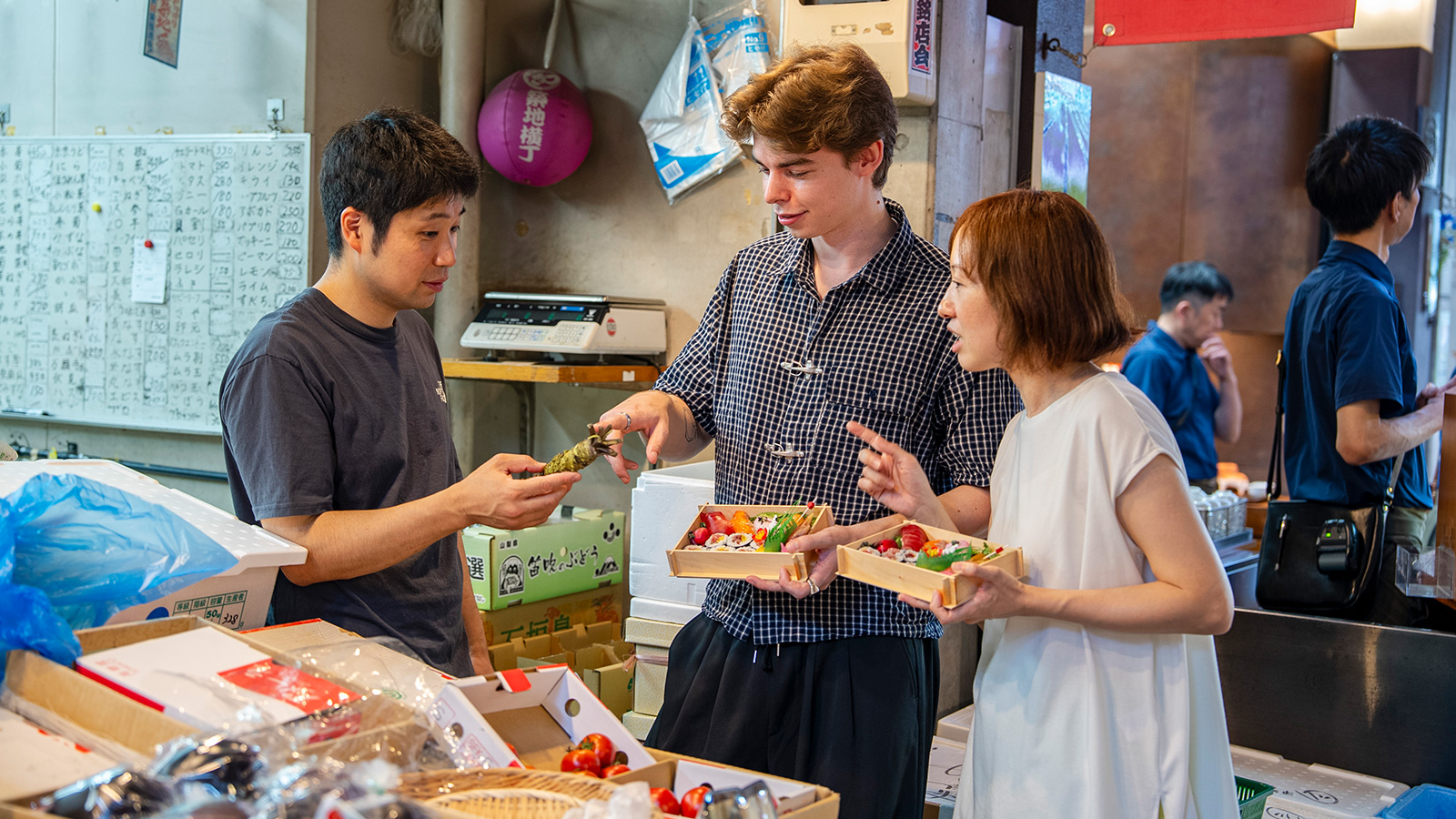
Fresh wasabi is one of the things visitors may recognise by name but have never seen whole. Fish counters, fruit displays and shops selling beans and dried ingredients offer another view of Japanese food.
The selection changes through the year. Rather than expecting the same ingredients on every visit, look for what is in season and what the shops are featuring that day. This is one of the pleasures of Tsukiji: you can enjoy a dish, then discover more about the ingredients behind it.
When should you come for food?
Plan your visit for 9am or later. Before 9am, professional buyers take priority.
In my daily experience, many takeaway stalls begin serving around 8–9am, while many restaurants open around 10am or later. Individual schedules vary, and some businesses open earlier. For a relaxed morning, browse and try a small bite first, then sit down for lunch. See our Tsukiji Market Hours guide for more detail on opening times and closure days.
Can you walk around while eating?
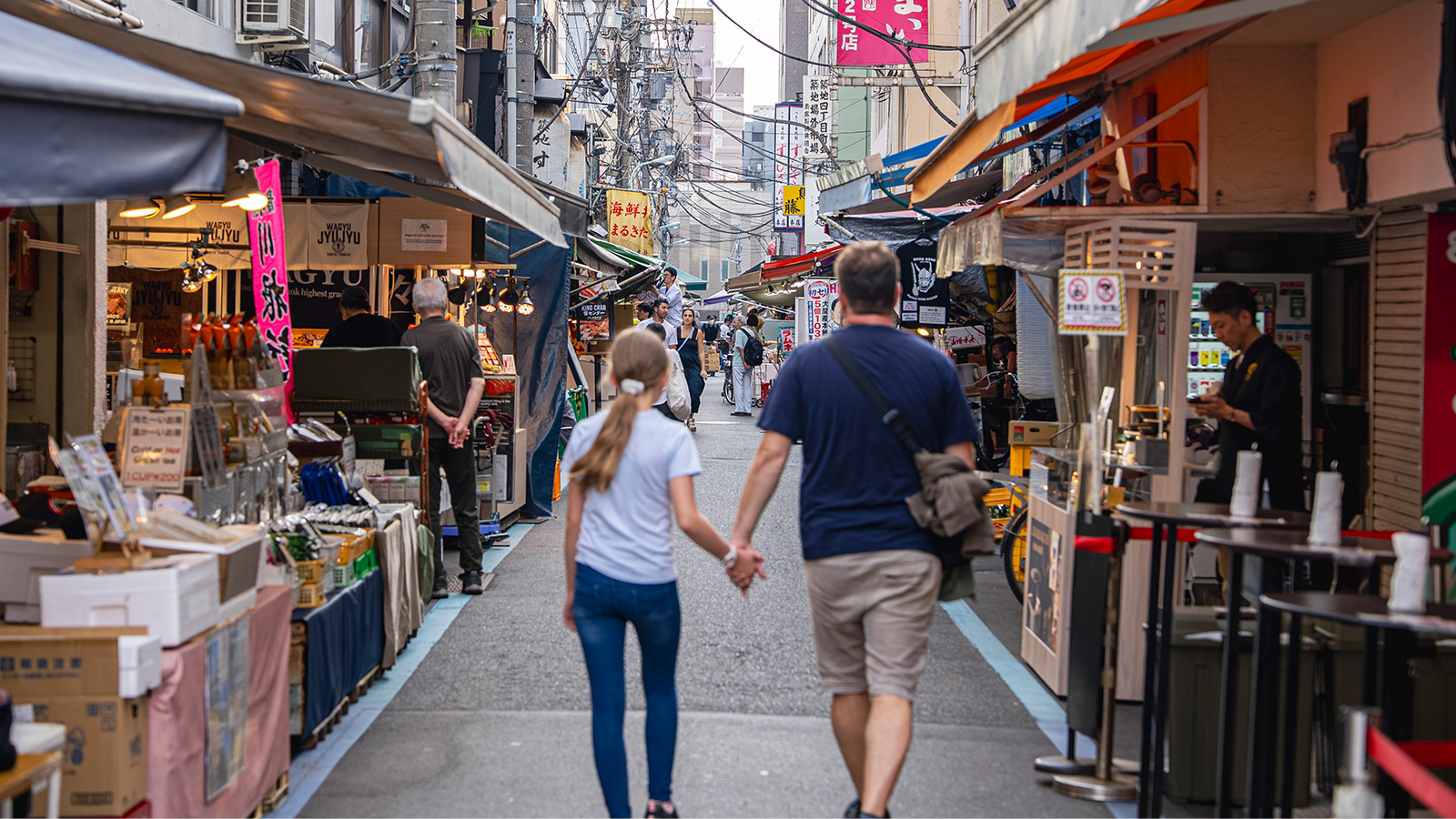
Please stop to eat. Although you will often see Tsukiji described as a street-food destination, the market asks visitors not to eat while walking.
Use the shop’s designated eating space, which may be inside or in front of the shop. Keep entrances and narrow lanes clear.
A few other courtesies make food stops easier:
- Join the queue and wait your turn.
- Decide what you would like before reaching the counter.
- Use simple words or point to the menu if needed; not every shop has English-speaking staff.
- Do not rely on finding a public rubbish bin. Ask the shop whether it can take your empty packaging, or carry it with you.
- Smoke only in designated smoking areas. Ask at Plat Tsukiji for directions if needed.
Would you like to try making sushi too?
For some visitors, eating sushi leads to another question: how is it made?
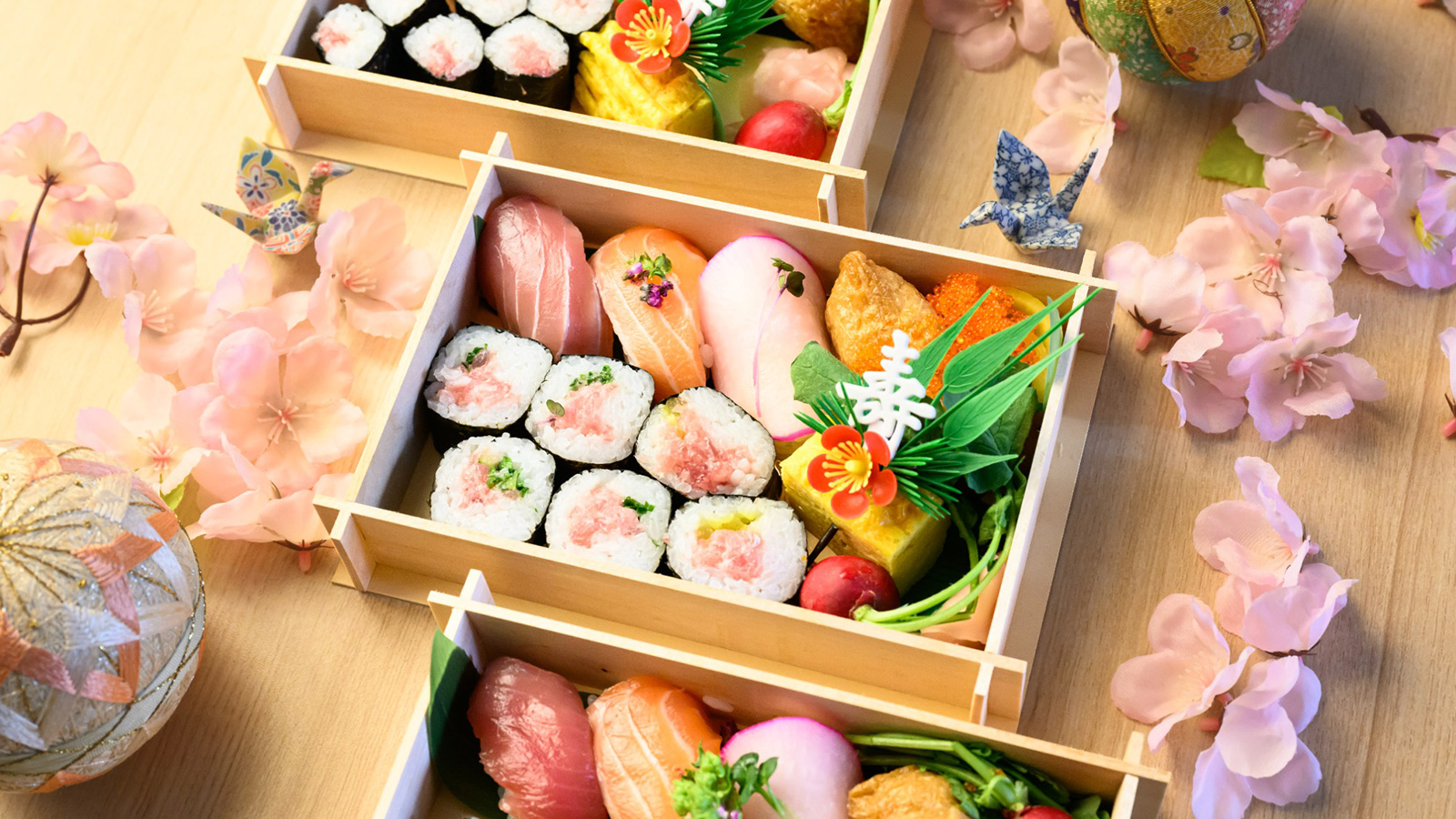
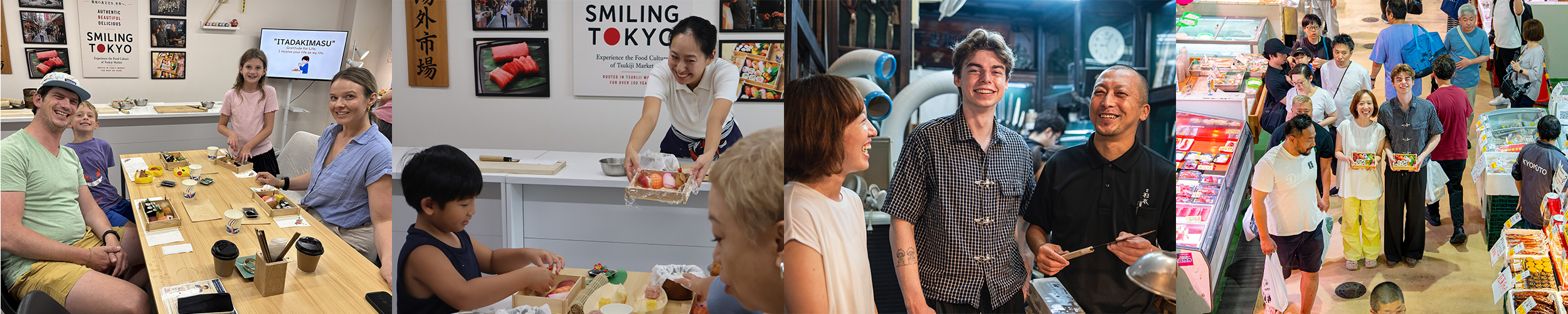
Our Sushi Bento Making Class offers an hour with Tsukiji ingredients, hands-on sushi making and a bento to enjoy in the classroom. Families often join us, and the indoor setting makes it an option for rainy days too. If you are visiting with a baby or stroller, contact us about arrangements before booking.
Some of our guests even head to a sushi restaurant afterwards. Making a few pieces yourself gives you something new to notice when watching someone else at work. If you would also like a guide to introduce the market’s ingredients and specialist shops, explore our Tsukiji Market Tour & Sushi Making experience.
Key Takeaways
- Start with sushi, sashimi or a seafood bowl, then leave room for smaller bites.
- For a personal favourite, buy sashimi at Tsukiji Uogashi and enjoy it in the third-floor eating space of the Odawarabashi Building.
- Wagyu skewers, tamagoyaki, fried chicken, fruit and matcha treats offer variety beyond seafood.
- Visit from 9am onwards and check individual restaurant hours.
- Eat in designated spaces, keep the lanes clear and take care of your rubbish.
Sources
- Tsukiji Outer Market: First-Time Visitor Guide — Japanese
- Tsukiji Uogashi: Official Facility Information — Japanese
- Tsukiji Outer Market: Hints for Shopping
- Tsukiji Outer Market: Visitor Etiquette — Japanese
- Local observations, food recommendations and experience information provided by Masamitsu, SMILING TOKYO.
Last Reviewed:September 30, 2026
About the Author
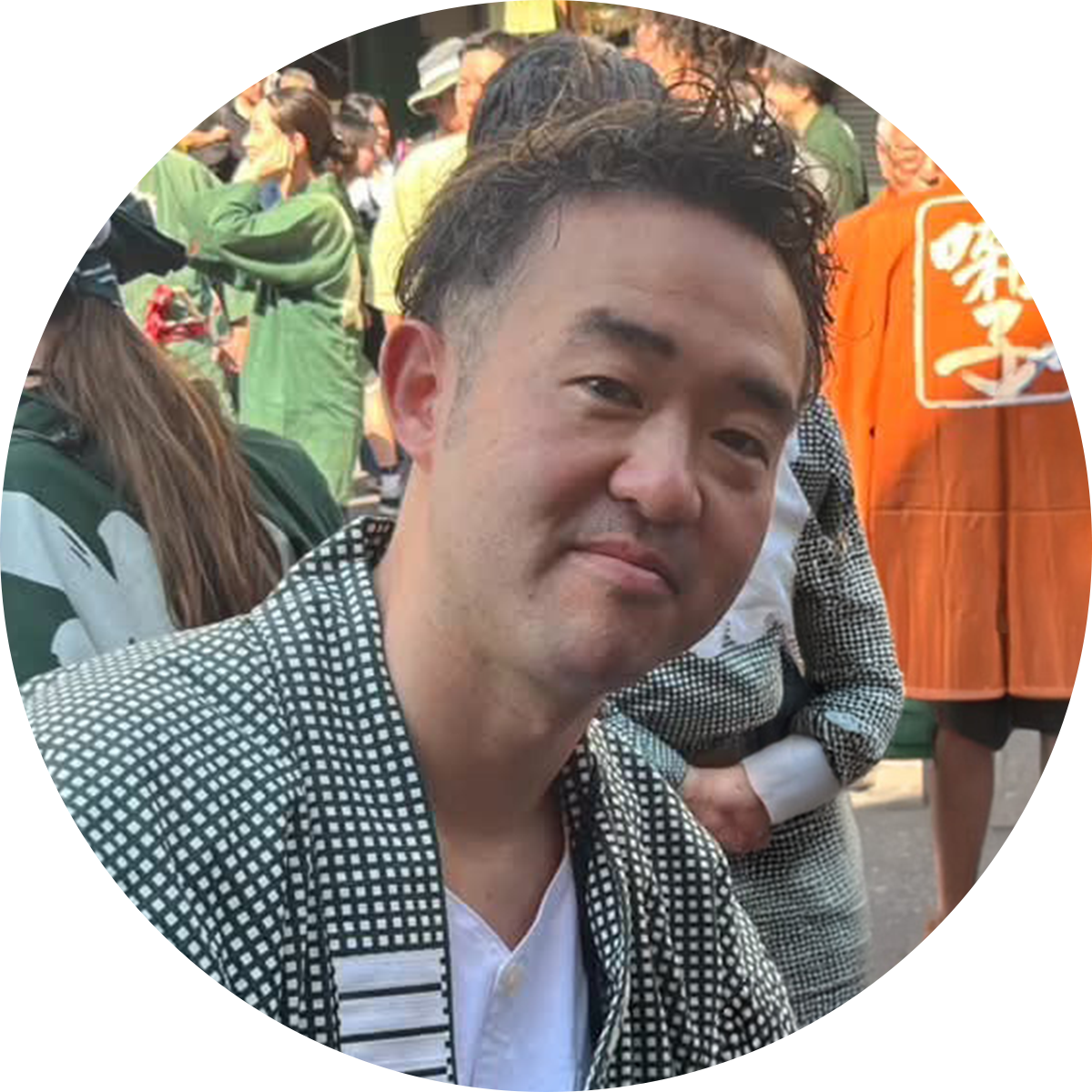
Masamitsu is a member of the SMILING TOKYO team and has worked in the travel industry since 2008.
Through his wife’s fourth-generation Tsukiji Market family, he works closely with the local community.
His articles combine everyday observations, local knowledge, and official sources.
Experience the Real Tsukiji
At SMILING TOKYO, we create authentic cultural experiences using local ingredients, traditional kitchen tools, and the knowledge passed down through the Tsukiji community.
Our hands-on programs are designed for families, food lovers, school groups, corporate groups, and travel partners who want to experience the real Tsukiji Market beyond sightseeing.
Choose the option that’s right for you:
🍣 Explore Our Experiences
Discover our Tsukiji Market tours and hands-on cultural experiences.
🤝 Travel Partner Information
Information for travel agencies, FIT, private groups, schools, and corporate events.